


We will cover the single-use design, why they cannot be reused, when single-use is right, cost and hygiene advantages, chip options, comparison with reusable bands, sustainability, and how to choose.
Key takeaways
- Paper RFID wristbands are designed as single-use with tamper-evident adhesive.
- They cannot be removed and reapplied without destroying the band — by design.
- Single-use suits high-volume, short-duration events where cost and hygiene matter.
- For recurring or reusable needs, silicone or fabric bands are the better choice.
The single-use design explained
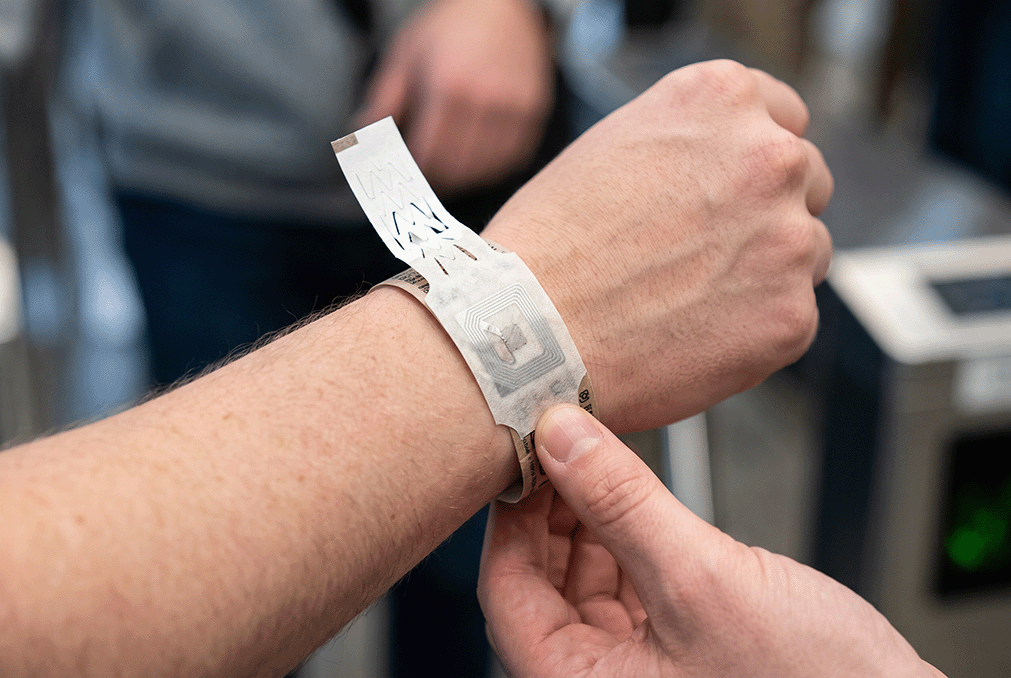
Paper RFID wristbands are engineered for single use. The band is made from a paper-like material — often a durable, water-resistant synthetic paper or Tyvek-style stock — with an RFID or NFC chip embedded, and it closes with an adhesive tab. When the band is fastened around the wrist, the adhesive bonds permanently, and the tamper-evident design means any attempt to remove it tears or marks the band, making reuse impossible without obvious damage. This is a deliberate design choice, not a flaw: it ensures each band is worn by one person for one event and cannot be transferred or reused, which is exactly what many events want. The single-use construction keeps the band inexpensive and secure. Understanding that paper bands are made to be worn once and discarded is the starting point for deciding whether they fit your event, since their entire design optimizes for low-cost, secure, one-time use rather than durability or reuse over time.
Why they cannot be reused
The reason paper bands cannot be reused comes down to the adhesive, tamper-evident closure. Once the adhesive is fastened, removing the band requires breaking it — the tamper-evident features ensure removal damages the band visibly, preventing it from being reapplied or passed to someone else. This is intentional: it makes the credential non-transferable and secure, so a band cannot be shared, resold, or reused to gain entry. While silicone or fabric bands with reusable closures can be removed intact and used again, paper bands sacrifice reuse for low cost and security. The single-use nature is therefore a feature for events prioritizing affordability and access control, not a shortcoming. For organizers, the key point is that paper bands deliver secure, non-transferable, low-cost credentials precisely because they cannot be reused, making them ideal where each wristband should serve one wearer for one occasion and security against transfer matters.
When single-use is the right choice
Single-use paper bands are the right choice in several common scenarios. For high-volume, short-duration events — single-day concerts, festivals, fairs, or attractions with large crowds — the low per-band cost makes single-use economical at scale, and reuse is unnecessary. Where hygiene matters, single-use bands avoid the need to clean and redistribute bands between users. Where security against transfer is important, the tamper-evident closure ensures credentials are non-transferable. And where simplicity is valued, distributing disposable bands that attendees keep on and then discard is operationally easy. For events that happen once, serve large numbers, and prioritize cost and security over reuse, single-use paper bands are an excellent fit. The decision comes down to event type: a one-day, high-volume event with cost sensitivity is the classic case for single-use paper bands, whereas recurring use points toward reusable materials instead.
Cost advantages of paper bands
Cost is a primary advantage of paper RFID wristbands. Because they use inexpensive paper-like material and simple construction, their unit cost is the lowest among RFID wristband types, making them economical for the large quantities high-volume events require. When an event needs tens of thousands of bands for a single day, the low per-band cost of paper bands keeps the total affordable, whereas reusable silicone or fabric bands at higher unit cost would be far more expensive for one-time use. For single-use applications, paying for durability and reuse you will not use makes no sense, so paper bands deliver exactly what is needed at the lowest cost. This cost-efficiency is why paper bands dominate high-volume, single-day events. The affordability of single-use paper wristbands at scale is a key reason organizers choose them when reuse is not required and large quantities are needed economically for a short-duration event.
Chip and frequency options
Despite being disposable, paper RFID wristbands offer the same chip and frequency choices as other bands. They can be made with high-frequency 13.56 MHz NFC chips (NTAG, MIFARE families) for access and cashless payment, or UHF chips for longer-range reading, matched to your system. The single-use construction does not limit the technology inside — the chip functions exactly as it would in a silicone or fabric band. This means paper bands can support the same contactless access, payment, and identification functions, just in a disposable format. As always, the chip must match your readers and platform. Choosing the right chip for your system ensures the disposable bands integrate with your access-control and payment infrastructure. The availability of full chip and frequency options in a low-cost disposable format is part of what makes paper RFID wristbands versatile for events, delivering the same smart functionality as pricier bands where only single use is needed.
Comparison with reusable silicone and fabric bands
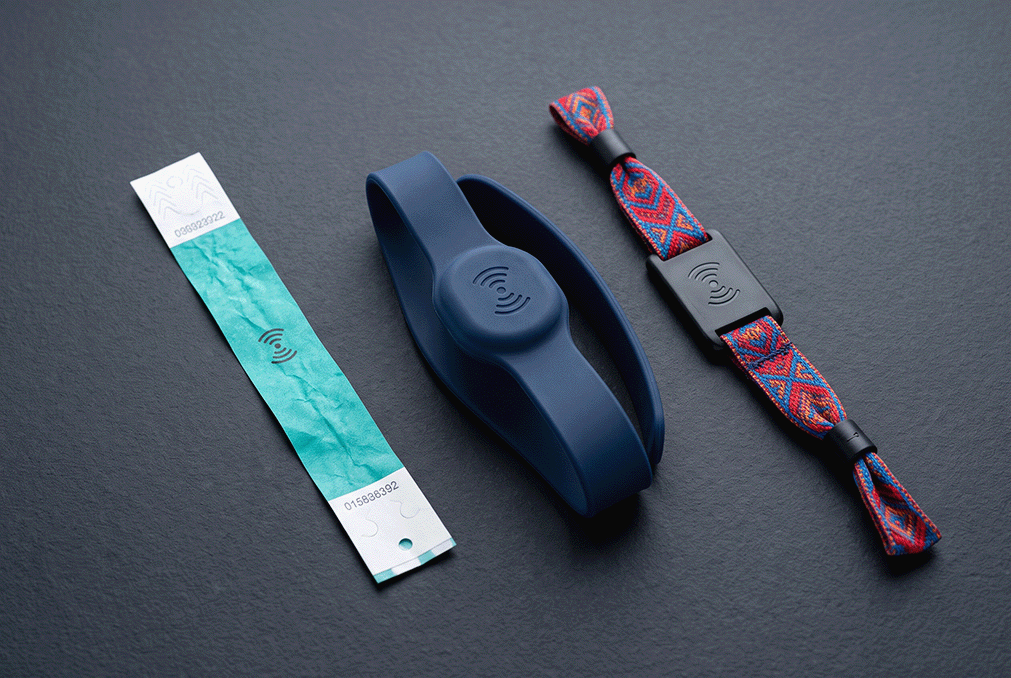
Choosing between paper and reusable bands comes down to your needs. Paper bands win on cost and suit single-use, high-volume, short events where security against transfer and hygiene matter. Reusable silicone bands and fabric bands cost more per unit but can be reused across events or seasons, making them economical for recurring use, gyms, resorts, and multi-day premium events where appearance and comfort also matter. Silicone adds waterproofing and durability; fabric adds a premium look and multi-day comfort. The trade-off is clear: paper for low-cost single use, silicone or fabric for durable reuse and premium experience. Many organizers use different band types for different events based on this calculus. Understanding the strengths of each — paper's affordability versus the reusability and quality of silicone and fabric — lets you match the wristband to each event's priorities rather than defaulting to one type for every occasion.
Sustainability and disposal
Because paper bands are discarded after use, disposal and sustainability are worth considering. The volume of single-use bands at a large event creates waste, so organizers conscious of environmental impact may weigh this against the cost advantage. Some paper-style bands use materials that are more readily recyclable or made with greater recycled content, and proper disposal or collection for recycling can reduce impact. For events prioritizing sustainability, this is a factor in choosing between disposable and reusable bands — reusable bands generate less per-event waste but cost more. Discussing material options with the manufacturer can identify more sustainable paper-band choices where available. While single-use bands inherently create more waste than reusable ones, being thoughtful about material selection and disposal helps manage their environmental footprint. Balancing cost, function, and sustainability is part of choosing the right wristband, and organizers increasingly factor disposal into the decision alongside price and performance.
How to choose for your event
To decide whether single-use paper bands suit your event, weigh a few factors. If your event is high-volume and short-duration, cost-sensitive, and benefits from non-transferable, hygienic credentials, paper bands are an excellent fit. If you need bands to be reused across events or seasons, or want a premium, durable, or waterproof band, choose silicone or fabric instead. Consider your budget, quantity, event duration, security needs, and sustainability priorities together. For many single-day, large-scale events, paper bands are the clear, economical choice; for recurring or premium applications, reusable bands are better. As a manufacturer of paper RFID wristbands as well as silicone and fabric bands, our team can help you choose the right type and chip for your event. To discuss paper RFID wristbands or compare options for your event, contact our team with your requirements.
Frequently Asked Questions
Can paper RFID wristbands be reused?
No — they are designed as single-use. The tamper-evident adhesive closure bonds permanently when fastened, and removing the band tears or marks it, making reapplication impossible without obvious damage. This is intentional, ensuring each band is worn once by one person and cannot be transferred or reused, which is what many events want.
Why are paper bands made to be single-use?
To keep them inexpensive and secure. The simple, low-cost construction and tamper-evident adhesive make credentials affordable at high volume and non-transferable, so bands cannot be shared, resold, or reused for entry. Single use is a feature for events prioritizing low cost, hygiene, and access control over durability and reuse.
When should I choose paper over silicone or fabric bands?
Choose paper for high-volume, short-duration events — single-day concerts, festivals, fairs — where low cost, hygiene, and security against transfer matter and reuse is unnecessary. Choose silicone or fabric when you need reusable, durable, waterproof, or premium bands for recurring use, multi-day events, gyms, or resorts.
Do paper RFID wristbands offer the same chips?
Yes. Despite being disposable, they can use the same high-frequency 13.56 MHz NFC chips (NTAG, MIFARE) or UHF chips as other bands, matched to your system. The single-use construction does not limit the technology inside, so paper bands support the same contactless access, payment, and identification in a low-cost format.
Are single-use paper bands bad for the environment?
They create more per-event waste than reusable bands, which is a consideration for sustainability-conscious organizers. Some paper-style bands use more recyclable materials or recycled content, and proper disposal or recycling reduces impact. Weighing waste against cost, and choosing better materials where available, helps manage their footprint.
Get low-cost single-use paper RFID wristbands for your event
We manufacture paper RFID and NFC wristbands with tamper-evident closures and the right chip — economical, secure, and ready in volume for high-attendance events.
Request paper wristband pricing See paper wristbands