


We will cover what vinyl bands are, the material, durability, comfort, chip protection, closures and fit, ideal use cases, and material comparison.
Key takeaways
- Vinyl RFID wristbands balance toughness with soft, comfortable wear.
- The vinyl resists water, sweat, and tearing while staying flexible.
- The sealed chip is protected from moisture and physical stress.
- Comfort and durability make vinyl ideal for multi-day and ongoing use.
What vinyl RFID wristbands are
Vinyl RFID wristbands are bands made from PVC vinyl — a flexible, durable plastic — with an RFID or NFC inlay sealed inside. Vinyl and PVC are essentially the same material in this context, producing a smooth, glossy, flexible band that is tougher than paper yet softer and more comfortable than rigid alternatives. The chip provides contactless functionality for access, payment, or identification, while the vinyl body protects it and makes the band wearable. Vinyl bands can be produced in many colors, printed with branding, and fitted with various closures. Their defining characteristic is the balance they strike: durable enough for demanding use, comfortable enough for extended wear. This makes them widely used for wearable credentials across events and venues. Understanding that vinyl bands combine a tough, flexible material with a protected chip is the foundation for appreciating their durability and comfort, the two qualities that make them a practical, popular choice.
The vinyl material
The vinyl material itself is what enables the band's qualities. PVC vinyl is a flexible plastic that can be formulated to be soft and pliable while remaining strong and resistant to water and tearing. Its smooth, glossy surface looks attractive and is easy to clean. The material can be pigmented in virtually any color and printed on, supporting customization. Crucially, vinyl is flexible enough to bend and conform comfortably to the wrist without cracking, yet durable enough to withstand repeated flexing and handling. This combination of softness, strength, and flexibility is why vinyl is favored for wristbands. The material's properties directly translate into the band's durability and comfort: a tough but pliable vinyl produces a band that survives wear while feeling good on the skin. The qualities of the vinyl are therefore central to the band's performance, providing the physical basis for the durability and comfort that make these wristbands effective wearable credentials.
Durability: resisting water, sweat, and tearing
Durability is a key strength of vinyl bands. The vinyl resists water and sweat, so the band survives rain, perspiration, hand-washing, and splashes without degrading — important for outdoor events and active wear. It resists tearing and stretching, holding up to the tugging and handling of daily use where thinner paper bands would rip. The flexible material withstands repeated bending without cracking. This durability means the band keeps functioning throughout a multi-day event or extended period of use, with the chip protected inside. Fewer band failures mean fewer access issues and replacements. The resistance to water, sweat, and physical wear makes vinyl bands dependable in real-world conditions, where they must endure the demands of being worn continuously. The durability of vinyl wristbands is a primary reason they are chosen over flimsier materials, ensuring reliable performance across the duration of an event or the lifespan of an ongoing access program without the credential failing when it is needed.
Comfort: soft, flexible, and lightweight
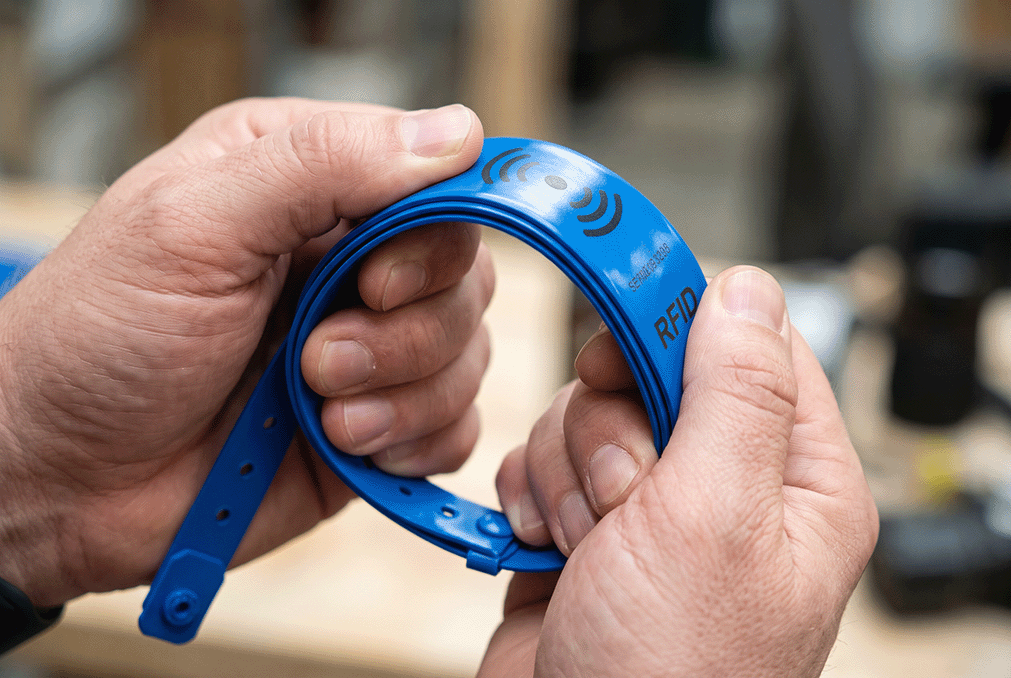
Comfort is the other half of the balance. Vinyl bands are soft and flexible, conforming to the wrist without rigidity, so they feel comfortable even when worn for hours or days. The material is lightweight, so the band is barely noticeable in wear. The smooth surface is gentle against the skin, avoiding the irritation that rough or stiff materials can cause. This comfort matters because guests and members wear these bands continuously — a band that is uncomfortable will be a source of complaints or be removed. By being soft, flexible, and light, vinyl bands are something wearers can comfortably keep on throughout an event or daily use. The comfort of vinyl wristbands contributes directly to a positive guest experience and to the band staying on the wrist, which keeps the credential functioning. Balancing this comfort with durability is what makes vinyl bands effective: tough enough to last, soft enough to wear without irritation over extended periods.
How the chip is protected
Protecting the chip is essential to reliability, and vinyl construction does this well. The RFID or NFC inlay is sealed inside the vinyl band during manufacture, encasing it in the flexible material. This seal protects the chip from water and moisture, which could otherwise damage electronics, and from physical stress like bending and impact, which the flexible vinyl absorbs without transferring damaging force to the chip. The result is a chip that keeps working reliably throughout the band's life, even under the water exposure and handling of real use. This protection is why vinyl bands maintain dependable read performance over multi-day events and repeated use. The sealing of the chip within the durable, flexible vinyl is a key part of the band's design, ensuring the technology inside is shielded from the conditions that would otherwise cause failures, and underpinning the reliable contactless performance that the band's access and payment functions depend on throughout its service life.
Closures and fit
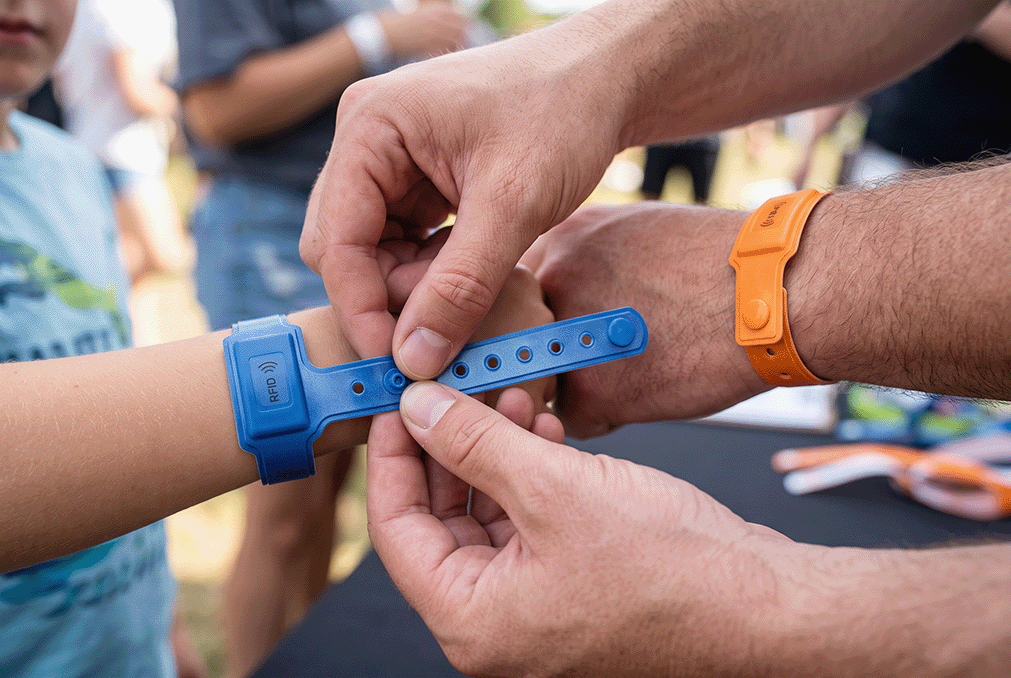
Closures and fit affect both comfort and durability in practice. Vinyl bands use closures suited to the application: adjustable closures allow a comfortable fit across different wrist sizes and enable reuse, while one-time locking closures secure the band for ticketed events. A proper fit — secure but not too tight — keeps the band comfortable and ensures the chip stays reliably positioned for reads. For events with diverse attendees, a closure accommodating a range of wrist sizes ensures everyone can wear the band comfortably. The closure also affects durability, as a secure closure keeps the band on without strain. Choosing the right closure and ensuring proper sizing contributes to the band's overall comfort and reliable function. The fit and closure of vinyl wristbands are practical considerations that, alongside the material itself, determine how comfortable and dependable the band is in actual use, making closure selection part of getting the durability-comfort balance right for your application.
Ideal use cases
Vinyl bands suit applications where both durability and comfort matter over extended wear. Multi-day events and festivals benefit, as bands must survive several days while staying comfortable. Venues and attractions with ongoing access use them for durable, comfortable credentials. Water-exposed settings benefit from the water resistance. Gyms and facilities use them for reusable access bands worn regularly. Any setting requiring a band that lasts and remains comfortable through continuous wear is a good fit. The balance vinyl provides makes it broadly applicable wherever wearers keep bands on for long periods and durability is needed. For events and venues prioritizing both reliable durability and wearer comfort, vinyl bands are a dependable choice. Their combination of qualities suits the many scenarios where a credential is worn continuously and must endure the experience, making vinyl a versatile material for wearable RFID across events, attractions, and ongoing access programs.
Vinyl vs other wristband materials
Compared with other materials, vinyl occupies a useful balance. Versus paper or Tyvek, vinyl is far more durable and comfortable for extended wear, though more expensive. Versus woven fabric, vinyl is more affordable and offers a smooth glossy look, while fabric provides a premium textile feel. Versus silicone, vinyl is typically lower cost, while silicone offers maximum waterproofing and durability for the most demanding or water-intensive use. Vinyl therefore suits applications wanting durability and comfort at a reasonable cost, between disposable paper and premium silicone or fabric. Choosing among them depends on priorities: vinyl for balanced durability, comfort, and cost. Understanding where vinyl sits relative to other wristband materials helps you select the right one, and for many applications vinyl's balance makes it a sensible default, delivering dependable durability and comfortable wear without the premium cost of the toughest or most luxurious materials.
Frequently Asked Questions
Are vinyl and PVC RFID wristbands the same?
Essentially yes. Vinyl in this context refers to PVC (polyvinyl chloride), so vinyl and PVC RFID wristbands are the same type of band — a flexible, durable plastic band with a sealed RFID or NFC chip. The terms are used interchangeably to describe these smooth, glossy, comfortable, and durable wearable credentials.
How durable are vinyl RFID wristbands?
Very durable for their cost. The vinyl resists water, sweat, and tearing, and withstands repeated flexing without cracking, so the band survives multi-day events and ongoing use. The chip is sealed inside, protected from moisture and physical stress, ensuring reliable reads throughout the band's life — far tougher than paper bands.
Are vinyl wristbands comfortable to wear?
Yes. Vinyl is soft, flexible, and lightweight, conforming to the wrist without rigidity and feeling barely noticeable in wear. The smooth surface is gentle on the skin, avoiding irritation. This comfort lets wearers keep bands on for hours or days, which matters for events and ongoing use where bands are worn continuously.
How is the chip protected in a vinyl band?
The RFID or NFC inlay is sealed inside the vinyl during manufacture, encasing it in flexible material. This protects the chip from water and moisture and from physical stress like bending and impact, which the flexible vinyl absorbs. The result is reliable read performance throughout the band's life, even under real-world water exposure and handling.
When should I choose vinyl over silicone or fabric?
Choose vinyl for a balance of durability, comfort, and cost — it is more affordable than silicone or premium fabric while far tougher and more comfortable than paper. Silicone offers maximum waterproofing for water-intensive use; fabric offers a premium textile feel. Vinyl suits applications wanting dependable, comfortable bands at a reasonable price.
Get durable, comfortable vinyl RFID wristbands
We manufacture vinyl (PVC) RFID and NFC wristbands that balance toughness and comfort — sealed chips, custom colors and branding, and closures to fit your application.
Talk to our wristband team Explore RFID wristbands