


We will cover what embedded RFID is, integration methods, benefits, design considerations, applications, and developing an embedded solution.
Key takeaways
- Embedded RFID integrates tags directly into products and materials.
- Methods include in-mold integration, encapsulation, and building into structures.
- Embedding makes identification permanent, tamper-resistant, and invisible.
- It suits applications where surface tags would be impractical or vulnerable.
What embedded RFID is
Embedded RFID means integrating the RFID tag into a product or material rather than attaching it to the surface. The tag becomes part of the object — molded into a plastic product, encapsulated within a material, or built into a structure during manufacturing — so the identification is internal and permanent. This differs from surface tags applied as labels or attachments, which sit on the outside and can be removed or damaged. Embedded tags are protected within the object and cannot easily be removed without damaging the product, making the identification a permanent, integral feature. This integration approach suits products and applications where the identification should be built in rather than added on. Understanding that embedded RFID integrates the tag into the object itself, making identification permanent and internal, distinguishes it from surface tagging. Embedding RFID into products and materials creates built-in identification that is part of the object, enabling applications and benefits that surface tags cannot provide, by making the tag an integral, protected component of the product rather than an external addition.
Methods of integration
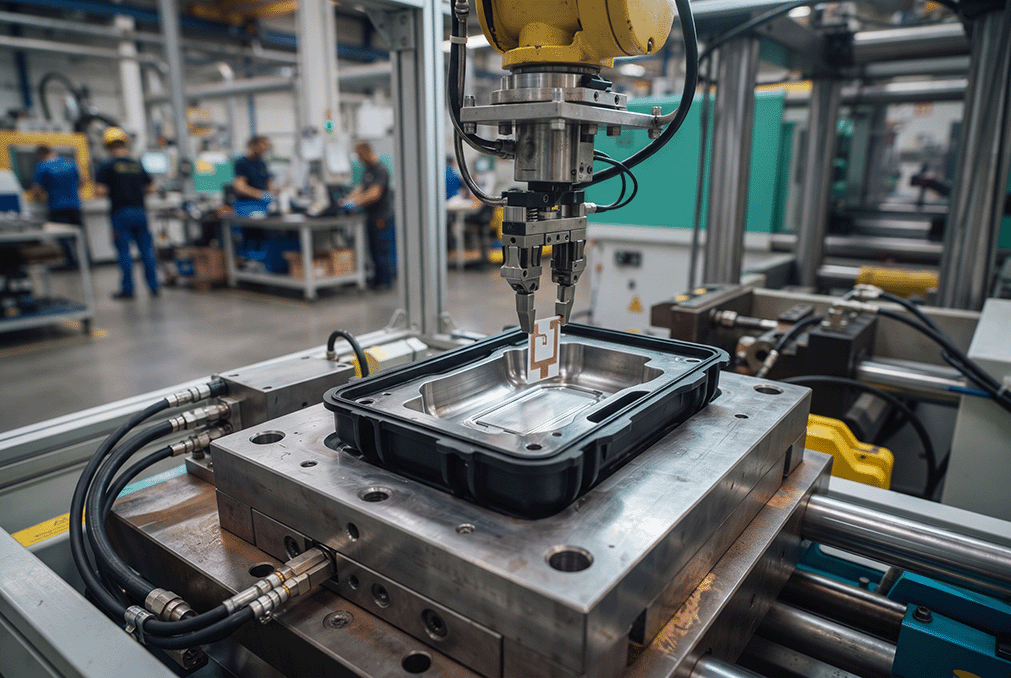
Several methods integrate RFID into products and materials. In-mold integration places the tag into a product during molding, so the tag is encased in the molded plastic, common for plastic products. Encapsulation embeds the tag within a protective material, such as in epoxy or other encasing, protecting it within the object. Lamination or layering can embed tags between material layers. Insertion into cavities or structures during assembly builds the tag into the product. The appropriate method depends on the product, material, and manufacturing process. Each method results in the tag being integrated into the object rather than surface-applied, with the specific approach suited to how the product is made. Understanding the integration methods — in-mold, encapsulation, layering, insertion — shows how RFID can be built into different products and materials during manufacturing. Choosing the integration method that suits the product and process embeds the tag appropriately, creating the permanent, internal identification that embedded RFID provides, with the method matched to the product's material and manufacturing.
Benefits of embedding
Embedding RFID delivers benefits surface tags cannot. Permanence: the tag is part of the object and cannot easily be removed, providing lasting identification for the product's life. Tamper resistance: because the tag is internal, it resists removal, tampering, or transfer, supporting authentication and security. Protection: embedded within the object, the tag is shielded from the damage, abrasion, and environmental exposure that surface tags face, improving durability. Invisibility: the tag is hidden, preserving the product's appearance with no visible tag, valuable for aesthetics or discreet identification. These benefits make embedded RFID suitable for applications requiring permanent, secure, protected, or invisible identification. The integration of the tag into the object is what delivers these advantages over surface tagging. Understanding the benefits of embedding — permanence, tamper resistance, protection, and invisibility — explains why embedded RFID suits applications where these qualities matter. Embedding the tag into the product provides identification that is permanent, secure, protected, and invisible, advantages that make embedded RFID valuable where surface tags would be removable, vulnerable, or visible.
Design considerations
Embedding RFID requires design considerations to ensure the tag performs within the product. The tag must be positioned and oriented for reliable reading despite being inside the object, accounting for how the surrounding material affects the RF signal. The material the tag is embedded in matters — metal and certain materials affect performance, requiring suitable tag designs or placement, while embedding in benign materials is more straightforward. The manufacturing process must accommodate the tag without damaging it, considering temperatures, pressures, and handling. The tag must be designed and rated for the embedding conditions. These considerations ensure the embedded tag reads reliably and survives manufacturing and use. Designing the embedded solution properly, accounting for placement, material, and process, is essential to success. Understanding the design considerations — placement, material effects, manufacturing conditions, tag suitability — ensures embedded RFID performs reliably. Addressing these factors when developing an embedded solution ensures the tag reads dependably within the product and withstands manufacturing and use, making careful design essential to successful embedded RFID integration.
Applications of embedded RFID
Embedded RFID serves applications where built-in identification is valuable. Products requiring permanent identification — tools, equipment, components, and assets that should carry identification for their life — benefit from embedding. Authentication applications use embedded tags that resist removal and transfer to verify genuine products and combat counterfeiting. Products where a visible tag is undesirable for aesthetic or practical reasons use embedded tags for invisible identification. Items in harsh conditions where surface tags would be damaged use embedded tags for protected identification. Manufacturing and asset applications embed tags to identify and track items permanently. These applications share the need for identification built into the product rather than attached. Understanding the applications of embedded RFID shows where built-in identification provides value — permanence, authentication, aesthetics, protection. Embedded RFID suits the many applications needing identification integrated into products and materials, from permanent asset identification to anti-counterfeiting authentication to discreet, protected tagging, wherever building the tag into the object serves better than attaching it to the surface.

Developing an embedded RFID solution
Developing an embedded solution requires collaboration between the buyer and a capable manufacturer. The process involves understanding the product, material, and manufacturing process, selecting or designing a suitable tag, determining the integration method and placement, and validating that the embedded tag reads reliably and survives. This is more involved than surface tagging, requiring expertise in both RFID and the integration, but it delivers the unique benefits of embedded identification. Working with a manufacturer experienced in embedded and custom RFID ensures the solution is designed and produced properly. As a manufacturer of custom RFID including tags for embedding and integration, our team helps customers develop embedded solutions suited to their products, materials, and processes. Developing an embedded RFID solution with expert support ensures the integration succeeds, delivering permanent, protected, invisible identification built into the product. Understanding that developing an embedded solution requires collaboration and expertise highlights the value of working with a capable manufacturer. To develop an embedded RFID solution for your product or material, contact our team to discuss your integration needs and create built-in identification suited to your product.
Frequently Asked Questions
What is embedded RFID?
Embedded RFID integrates the tag directly into a product or material — molded inside, encapsulated within, or built into the structure during manufacturing — rather than attaching it to the surface. This makes the identification permanent, internal, tamper-resistant, and invisible, part of the object itself rather than an external addition.
How is RFID embedded into products?
Through methods like in-mold integration (placing the tag into a product during molding), encapsulation (embedding within protective material such as epoxy), lamination or layering between materials, and insertion into cavities during assembly. The appropriate method depends on the product, material, and manufacturing process.
What are the benefits of embedded RFID?
Permanence (the tag is part of the object for its life), tamper resistance (internal tags resist removal and transfer), protection (shielded from damage and environment), and invisibility (hidden, preserving appearance). These suit applications requiring permanent, secure, protected, or invisible identification that surface tags cannot provide.
What design considerations matter for embedded RFID?
The tag must be positioned for reliable reading despite being inside the object, accounting for how the surrounding material affects the signal — metal and certain materials require suitable designs or placement. The manufacturing process must accommodate the tag without damaging it, and the tag must be rated for the conditions.
What applications use embedded RFID?
Products needing permanent identification (tools, equipment, components, assets), authentication and anti-counterfeiting using removal-resistant tags, products where a visible tag is undesirable, and items in harsh conditions where surface tags would be damaged. They share the need for identification built into the product.
Build identification into your product
We develop custom embedded RFID solutions — in-mold, encapsulated, or integrated — suited to your product, material, and manufacturing process, for permanent, protected, invisible identification.
Discuss your integration Explore custom RFID